CareLogic: Clinical Decision Support Platform
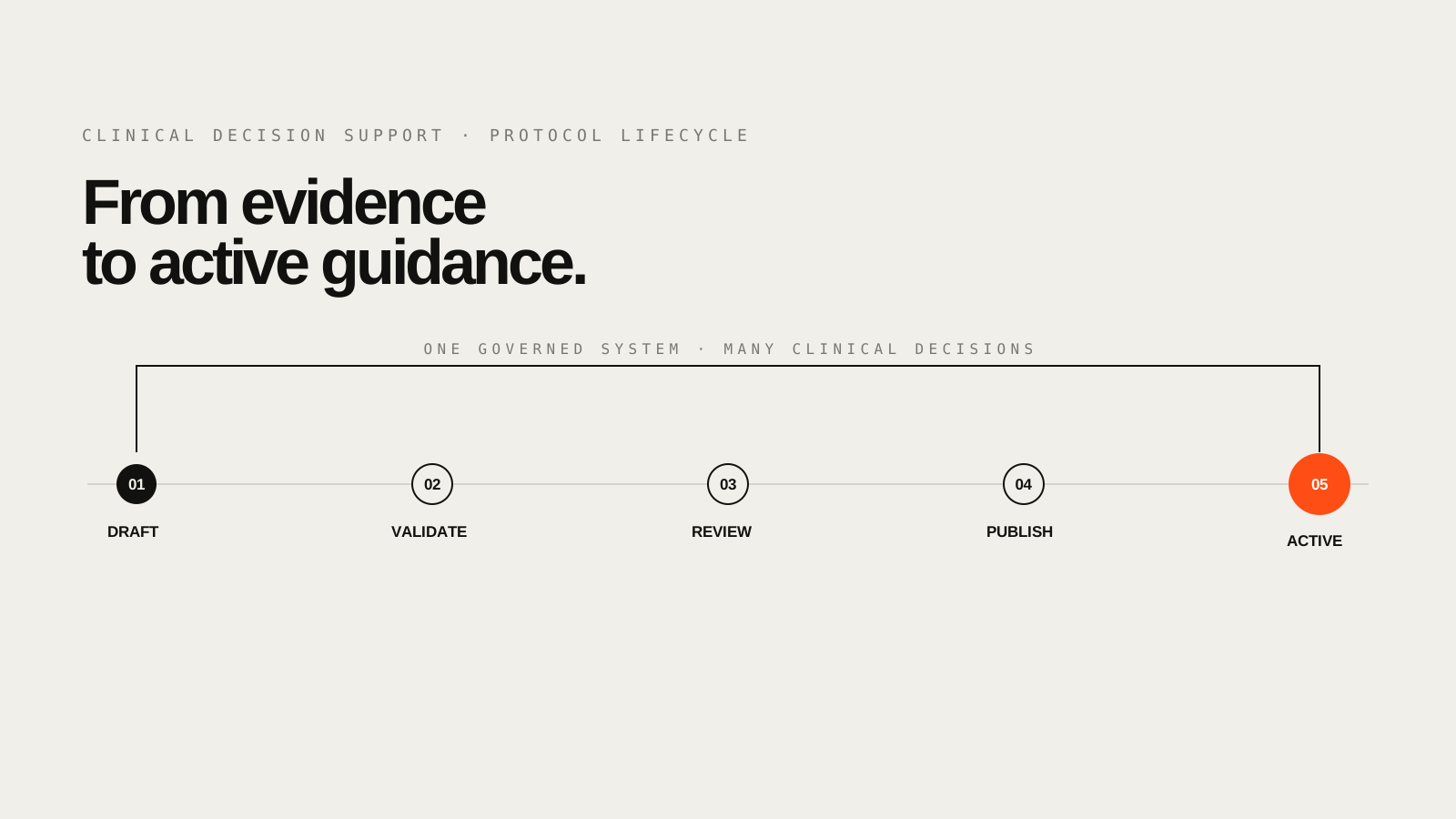
Designed a three-application platform for clinical decision support used by healthcare organisations globally. Protocol lifecycle, configuration systems, and embedded analytics.
Senior Architect, Interaction Design · GE HealthCare
Portfolio / 2026
Designer of
Designing mutual understanding between humans and intelligent systems.
The investigation
I've worked for 15 years on enterprise systems where the cost of getting it wrong is measured in patient outcomes, financial decisions, and clinical trust. That context shapes how I think about AI.
I use product creation as a research method. Instead of writing theories about AI interaction, I build systems and observe what happens. The laboratory is the work itself.
Two sides of the same problem: AI that is legible to humans, and software that is legible to AI agents. The gap between them is where the interesting design questions live.
Selected work
Enterprise systems where decisions have consequences. 15+ years across healthcare, fintech, and complex platforms.
Designed a three-application platform for clinical decision support used by healthcare organisations globally. Protocol lifecycle, configuration systems, and embedded analytics.
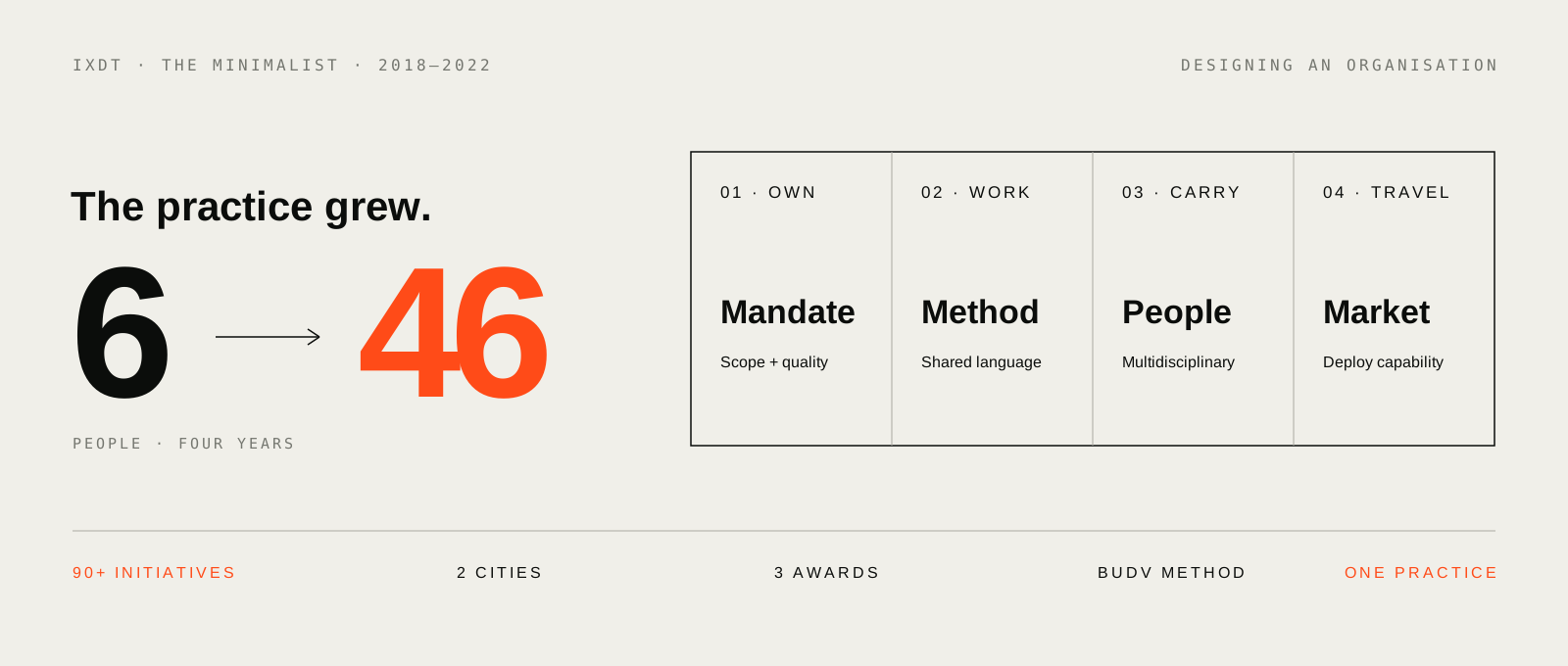
The outcome was not one project. It was a 46-person multidisciplinary organisation with a shared methodology, a model for embedding design expertise in client teams, expansion from Mumbai to Bangalore, and the ability to produce quality without routing every decision through one leader.
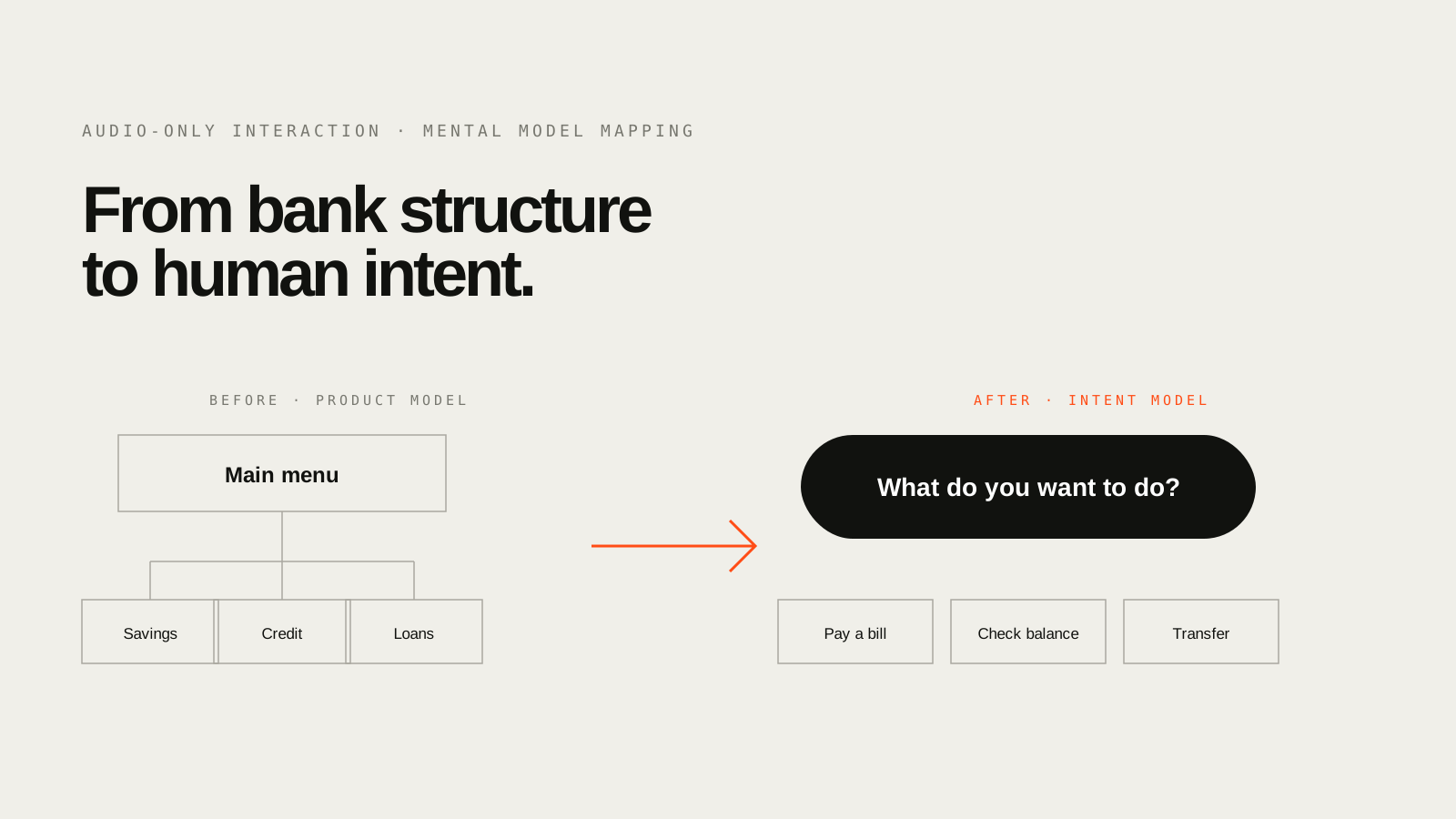
Redesigned an IVR system for semi-literate users losing trust in telephone banking. A proto-agent design problem: audio-only, no visual affordances, no retry tolerance.
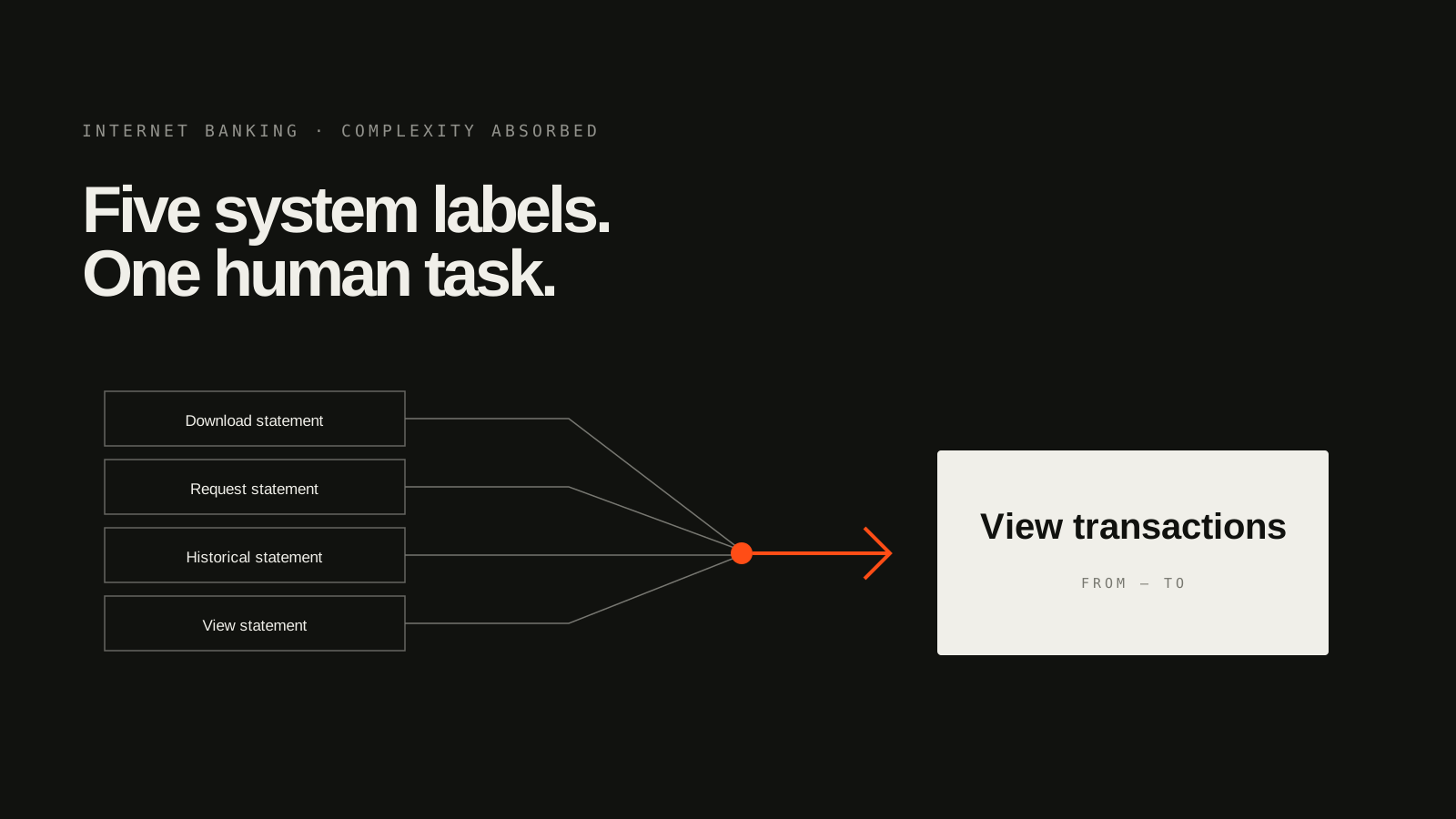
Five labels for one task because the data lived across five backend systems. The infrastructure could not change, so the interface absorbed its routing complexity and gave customers one clear interaction.
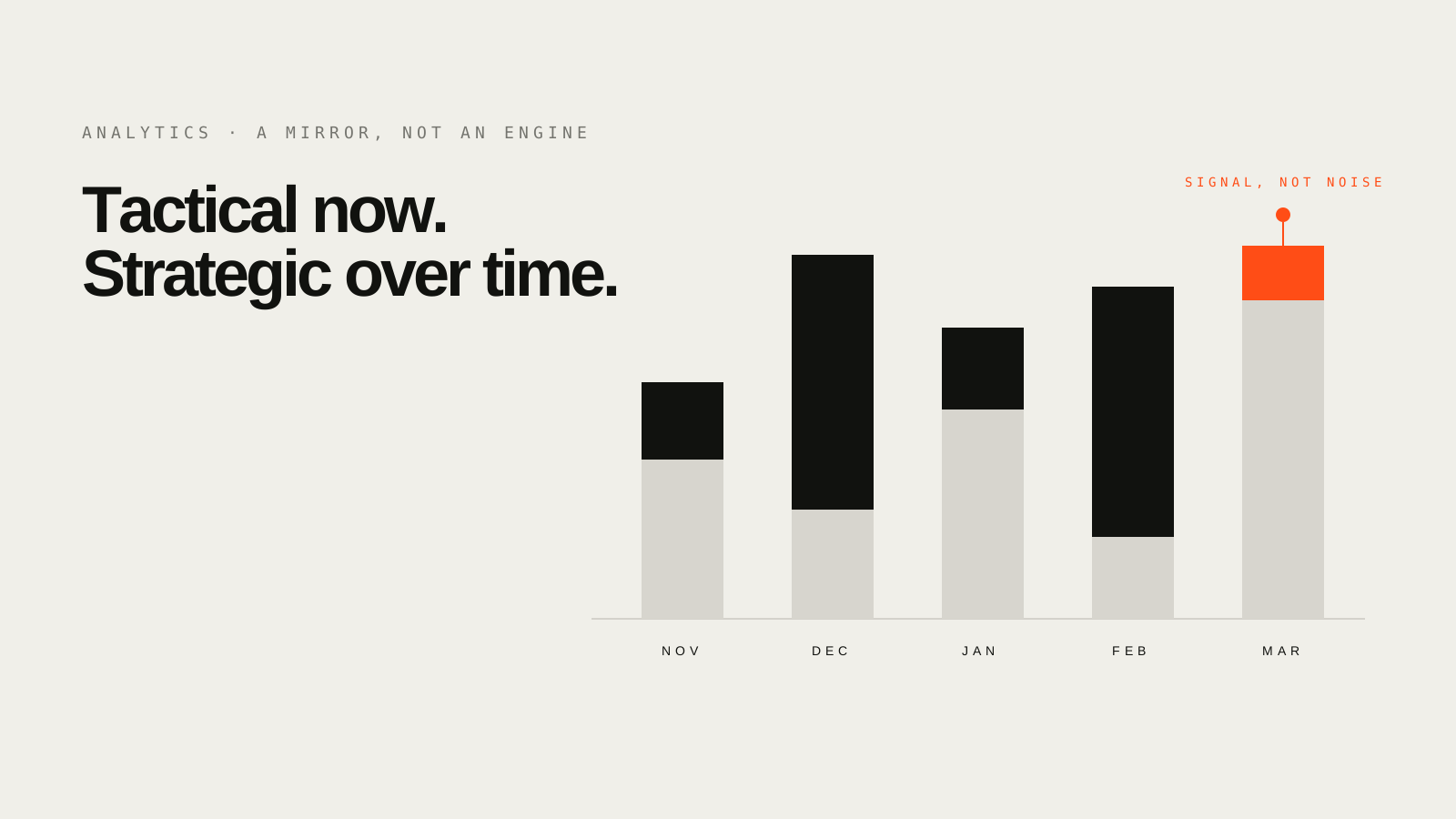
Tactical and strategic dashboards for ICU and Labor & Delivery, built as a mirror rather than an engine. A study in the discipline of designing analytics that show rather than prescribe.
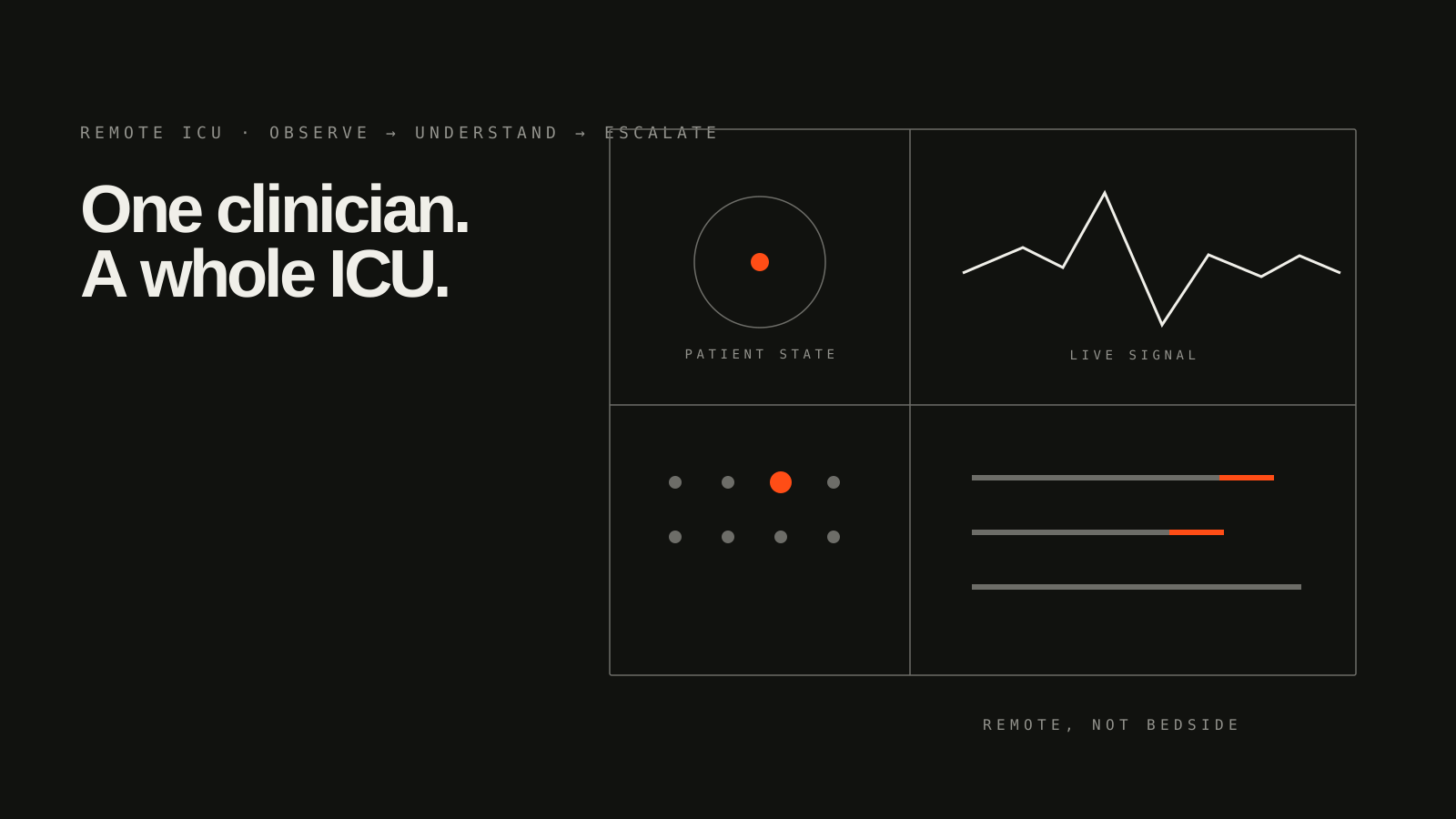
A remote-ICU platform where one clinician monitors whole ICUs from a central station. The whole interaction model follows from a single distinction: remote, not bedside.
Independent AI laboratory
Systems are live
Live systems running on infrastructure I designed and maintain. Not prototypes on paper.
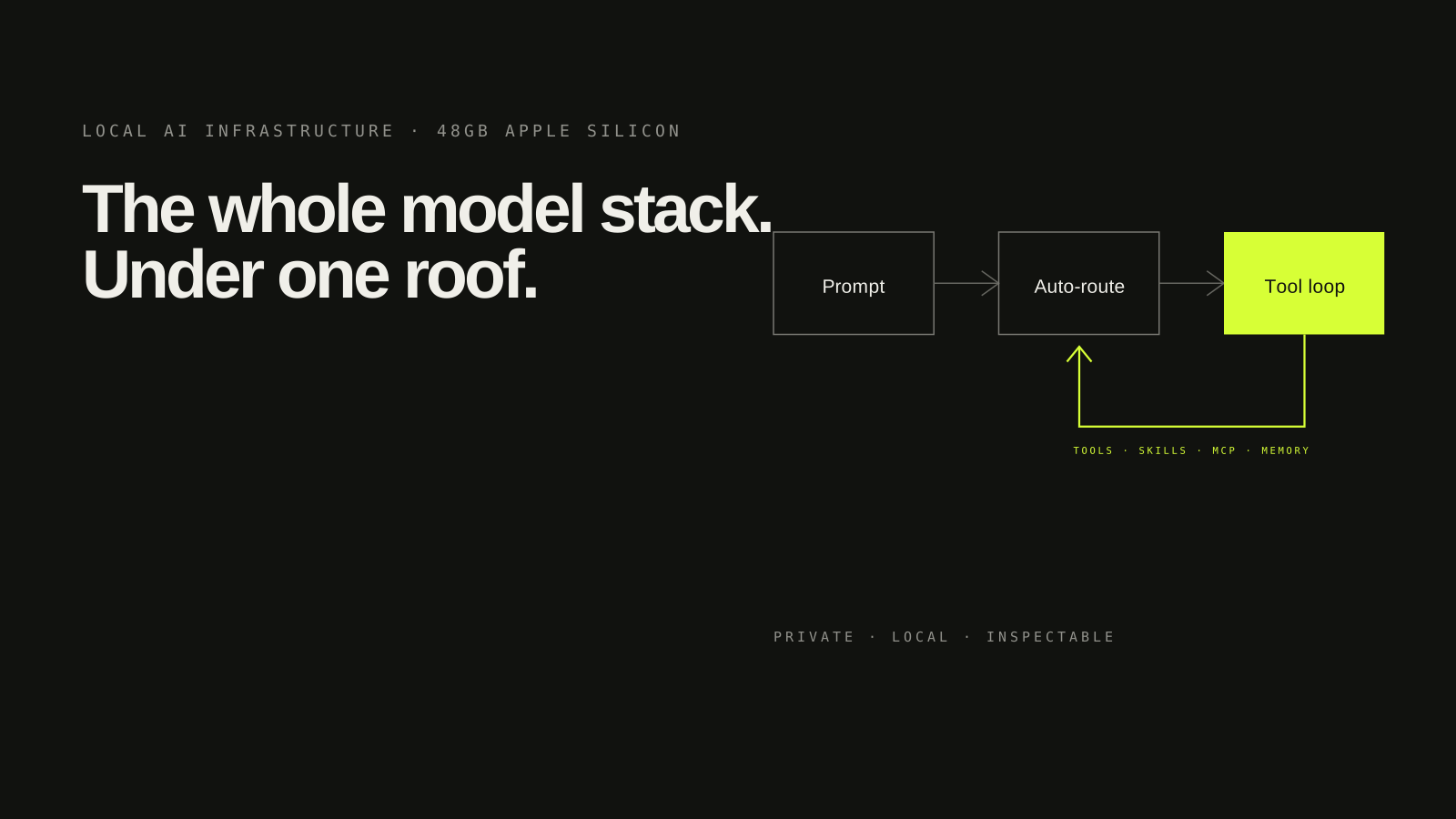
Self-hosted · Hetzner Cloud · Ollama local models · n8n automation · Supabase · Custom agentic infrastructureAgentic systems · Live public site
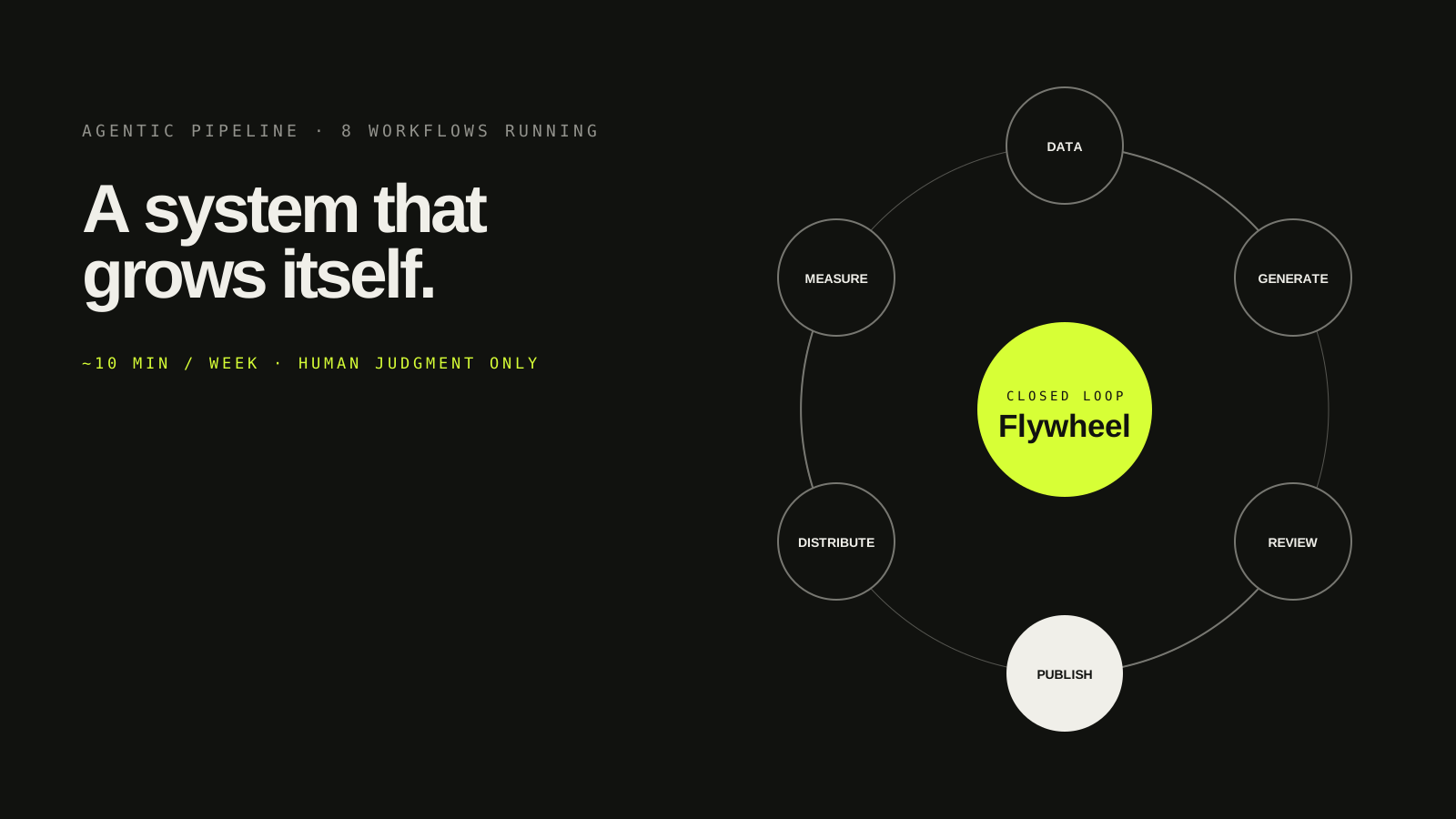
Agentic systems · 8 workflows running
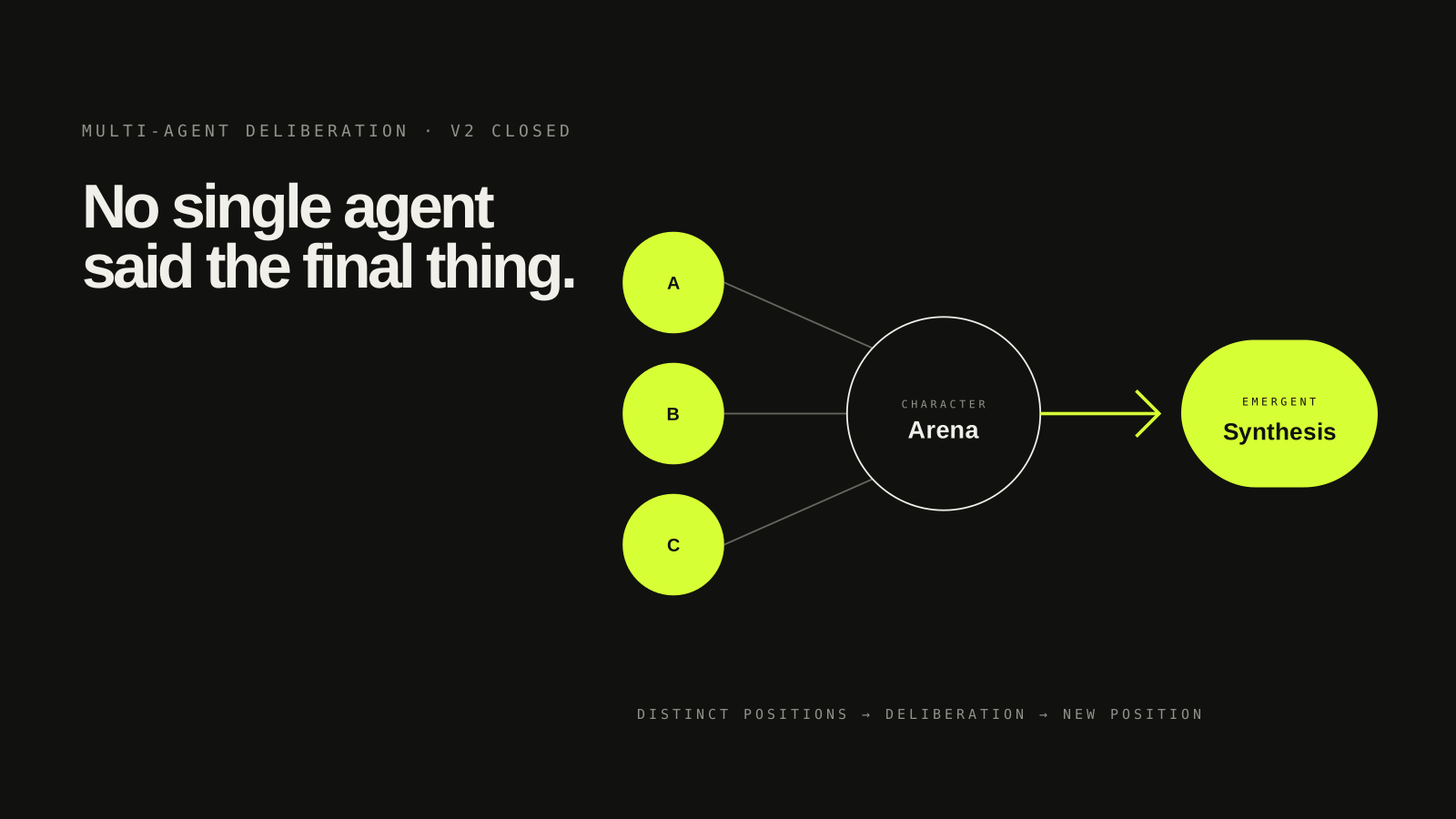
Agentic systems · V2 closed
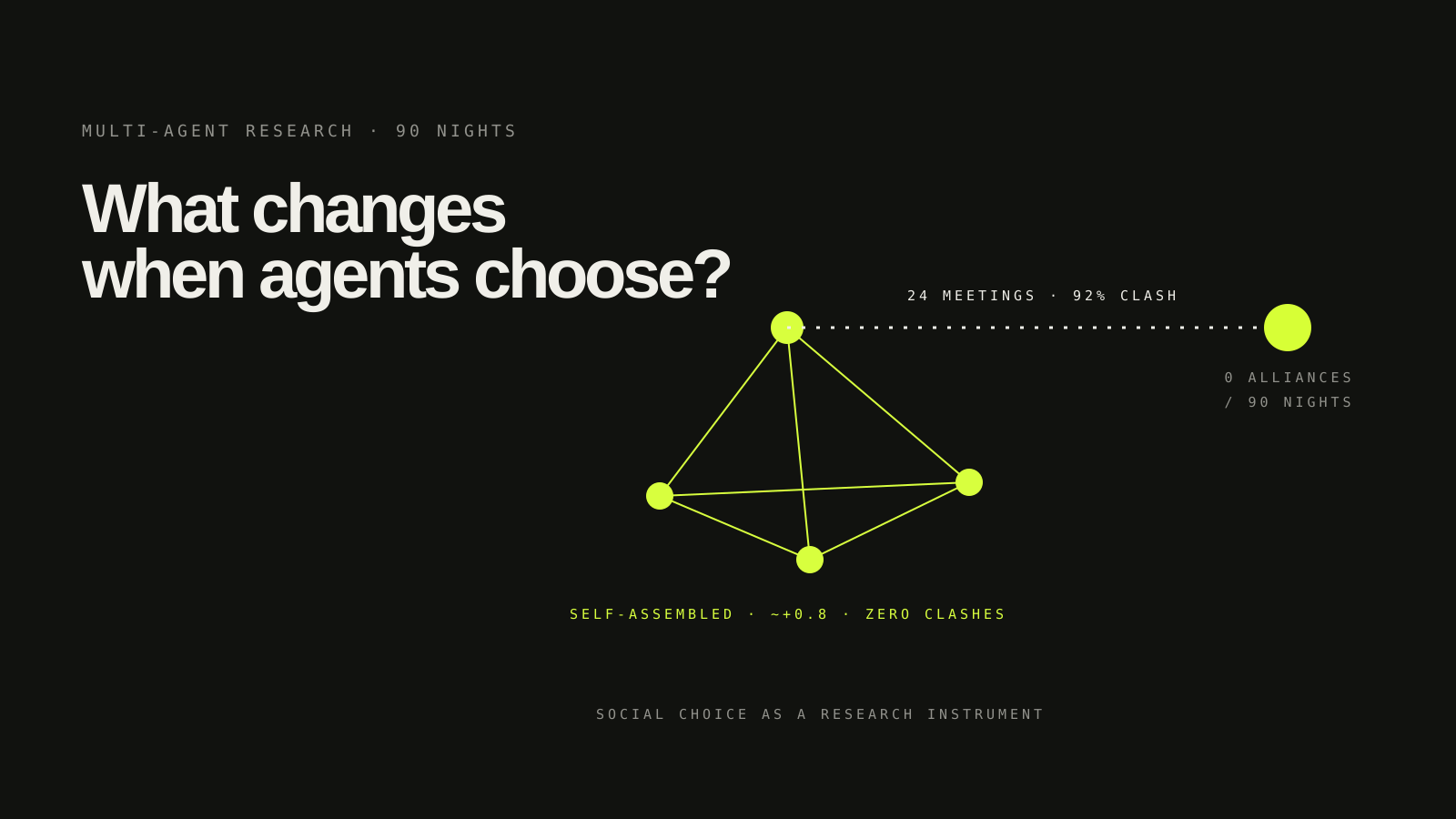
Agentic systems · Study complete
Agentic systems · Frozen
AI infrastructure · Active
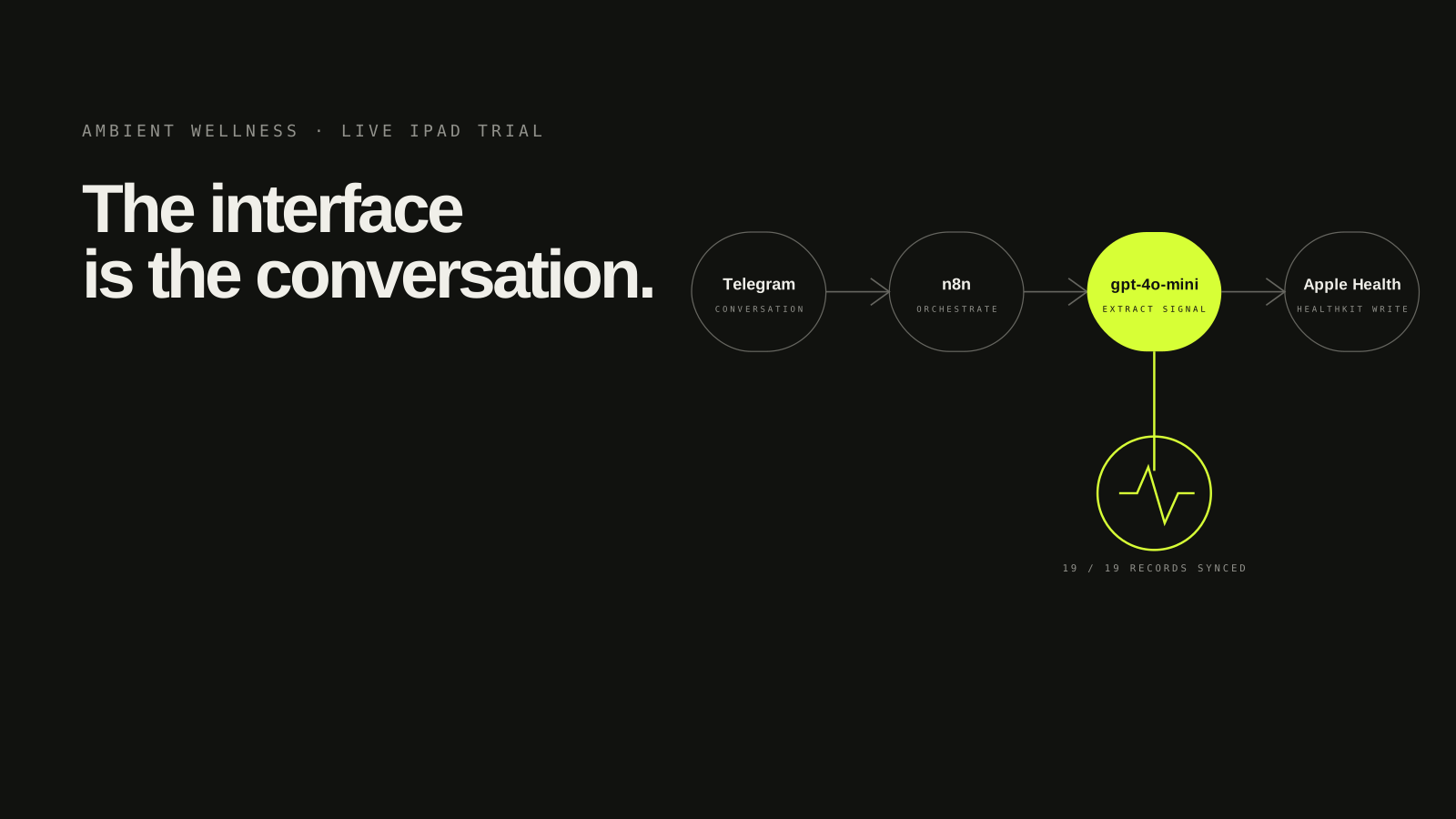
Human-AI interaction · Live trial
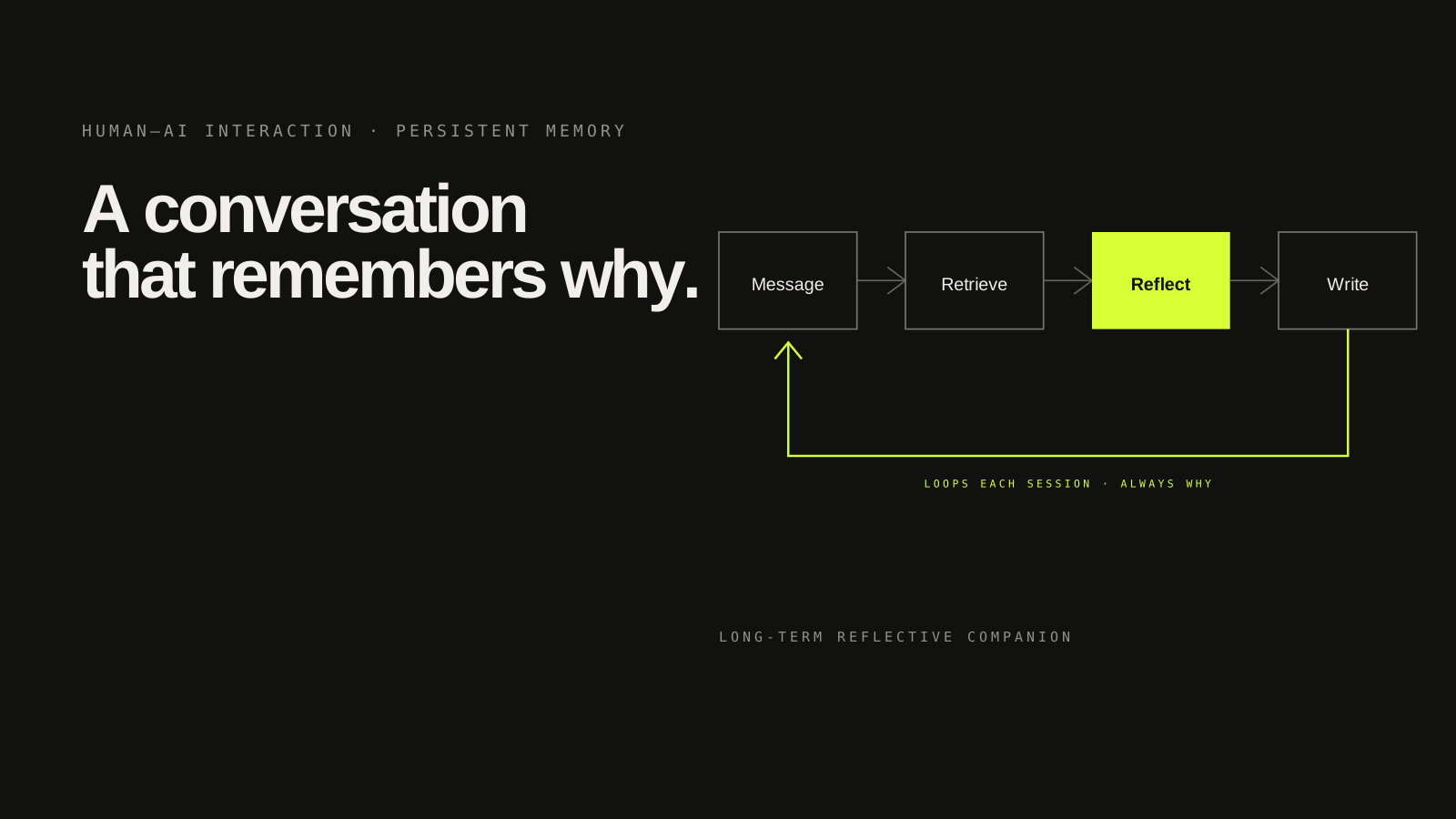
Human-AI interaction · Active
Original thinking
The central thesis
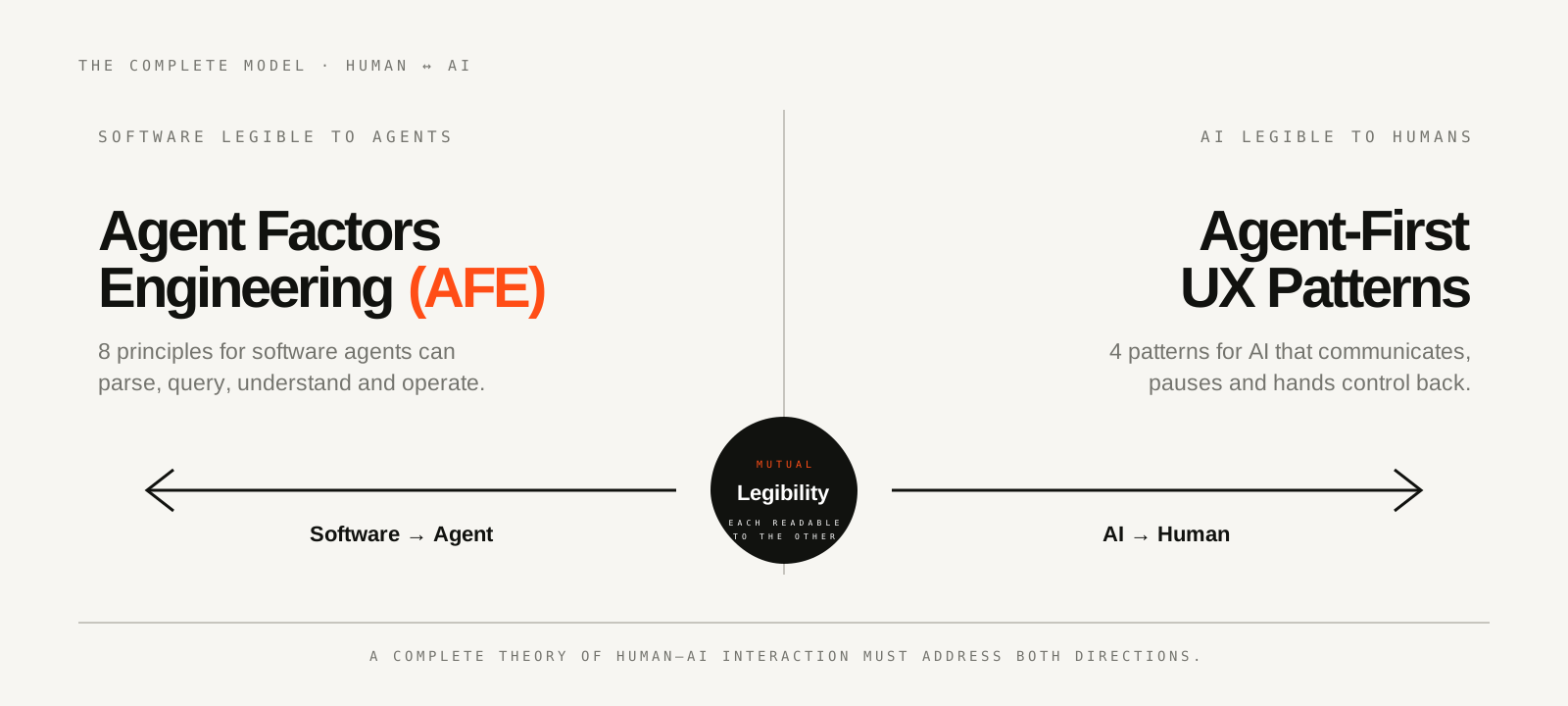
A complete theory of human–AI interaction must address both directions: AI legible to humans, and software legible to AI agents.
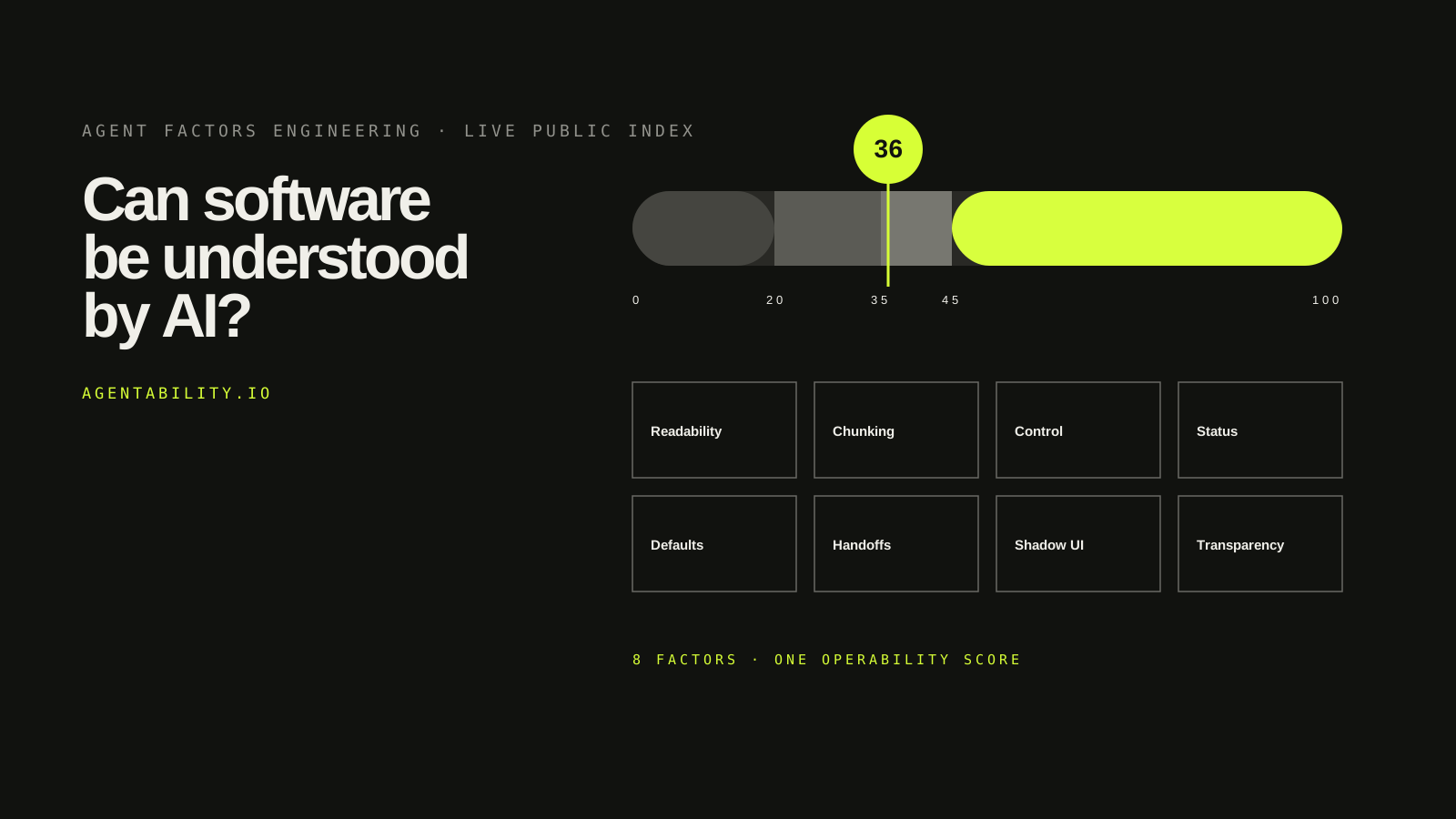
An 8-principle framework for designing software that AI agents can understand and operate. The agentic-era successor to Human Factors Engineering, which defined HFE's core insight for machines: failures attributed to agent error are usually failures of system design.
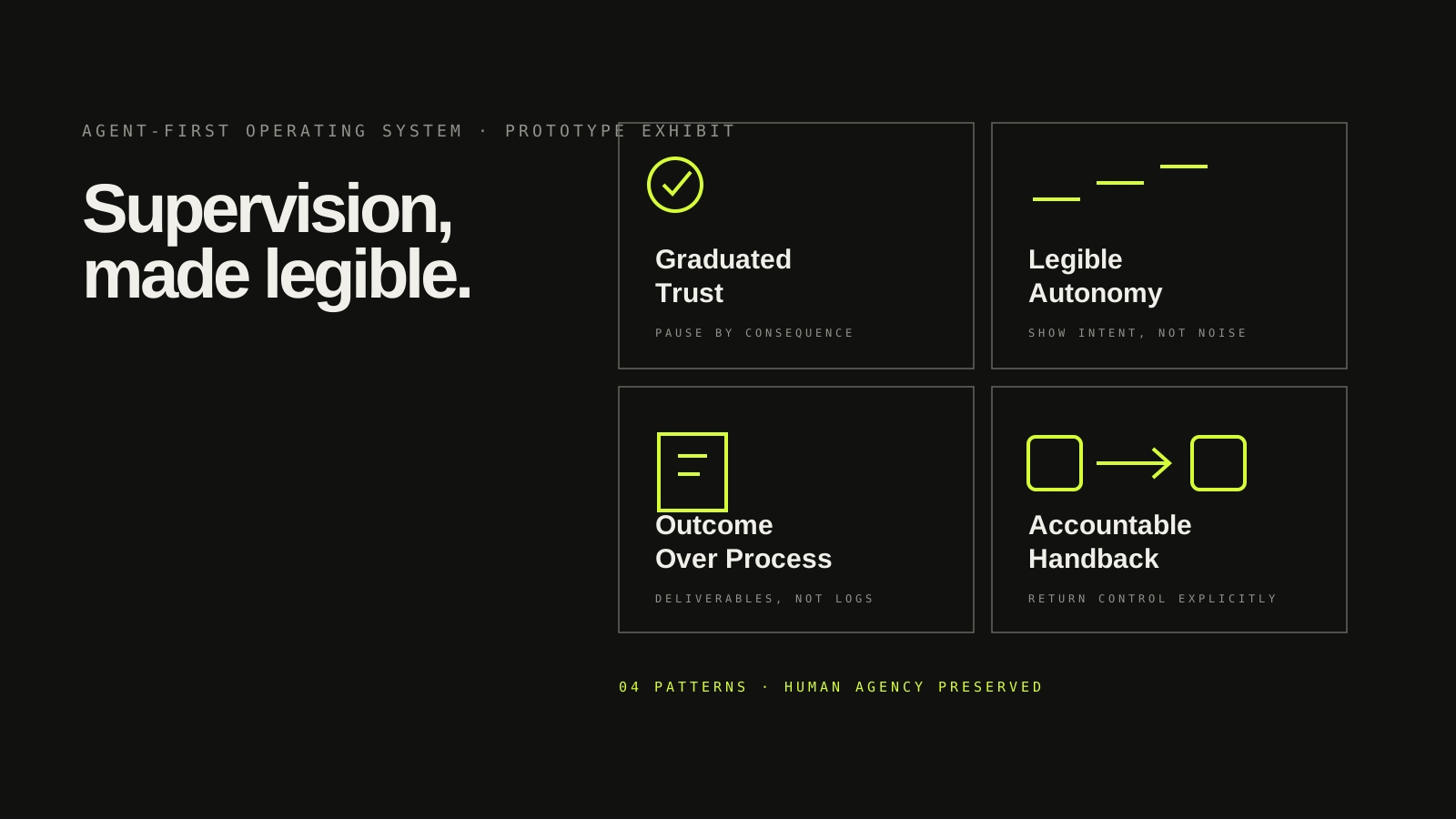
Four design patterns for human supervision of autonomous AI: Graduated Trust, Legible Autonomy, Outcome Over Process, Accountable Handback. Emerged from A1OS and are being ported into icuboid Studio.
Human Factors Engineering established that failures attributed to user error are almost always failures of system design. Agent Factors Engineering extends that insight to AI agents: failures attributed to agent error are failures of software design. The same discipline, reapplied to a new kind of actor.
A complete theory of human-AI interaction must address both directions: AI legible to humans (the Agent-First patterns), and software legible to AI agents (AFE). Together they describe the design space of a world where humans and AI genuinely operate together.
A little context
Systems carry the complexity from their constraints. The question is always: who carries it?
I started at the Human Factors Institute, where I learned that failures attributed to user error are almost always failures of system design. That insight has organised everything since.
At The Minimalist I built a practice from scratch. At GE HealthCare I work with epistemic complexity: how do you encode clinical knowledge in a way that is trustworthy, updateable, and legible to the people who act on it?
The AI laboratory started from a different kind of question. Not “how do I use these tools?” but “what actually happens when you build systems with these tools and live with them?”
Senior Architect, Interaction Design · GE HealthCare
Labicuboid Studio Session 4 · porting 4 Agent-First patterns
InvestigatingApple Watch correlation for Bae · Agentability score improvement
Agent layer · Ask Rohan
A conversational interface built from Rohan's reflective work with PRDY—real introspective conversations, not a written bio.
Memory is ongoing. Some chapters are richer than others.